
Small habits that keep repair visits shorter
None of this replaces a proper diagnostic check, but a few home habits can catch problems early and make any shop visit quicker and less costly.

What tends to change with the weather
Warmer months
Longer rides and more sun exposure. Tire sidewalls and rubber components can dry out faster, and chains pick up more dust that mixes with lubricant into a grinding paste if left unchecked.
Wet weather stretches
Rain washes lubricant off the chain and can work its way into cable housings. Brake pads also wear faster on wet rims, so stopping power can quietly decline over a few weeks.
Cold snaps
Lower temperatures thicken grease slightly, which can make shifting feel stiffer. Road salt and grit, where used, accelerate rust on exposed metal parts.
Long storage gaps
Bikes left unused for a season often develop flat spots on tires, seized cables, or dried-out chain lubricant. A check before the first ride back is worth the time.
Signs worth paying attention to
Bicycles rarely fail without warning. A few recurring signals tend to show up before something becomes a bigger repair.
- A clicking or ticking sound that changes with pedaling cadence
- Brake levers that pull closer to the handlebar than they used to
- Gears that hesitate, skip, or drop a chain under light pressure
- A wheel that visibly wobbles when spun freely
- Any looseness felt at the handlebar or seat post when the bike is rocked
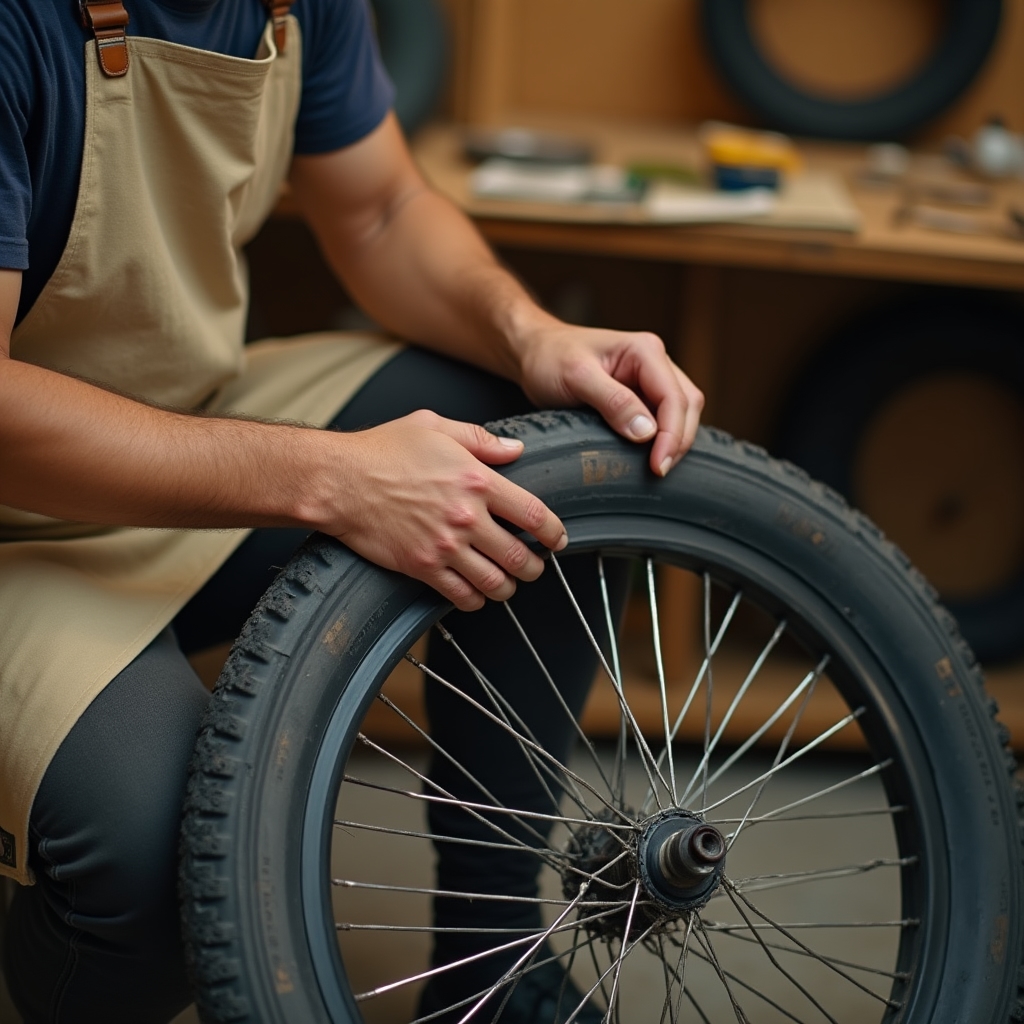
What riders can usually check themselves
A short list of things most riders can look at without tools, and where it generally makes sense to bring the bike in instead.
Tire pressure
A quick squeeze test or a pump with a gauge can be done in a driveway in under a minute before most rides.
Chain lubrication
A light drip of bike-specific lubricant along the chain, followed by wiping off the excess, is simple upkeep between shop visits.
Brake and gear tuning
Cable tension adjustments are easy to get wrong without the right tools, and usually make more sense as a shop visit.
Wheel truing and bearings
These need a truing stand and some practice to get right, so they're generally better left to a mechanic's bench.
Something on this list sound familiar?
A free diagnostic check can confirm what's actually going on before anything gets scheduled.